Lost Maples State Natural Area

West Trail

Golden-cheeked Warbler

The fall maple color show varies tremendously
Lost Maples State Natural Area (LMSNA), most often simply called "Lost Maples," is an incredibly beautiful place with great birding and bugging. There is no other place like it. You'll never forget your first visit! You will want to come back again for more!
The Texas Parks and Wildlife Department has an excellent website which of course has pages about LMSNA. They also have a park birdlist which is very good and gives seasonal abundance information. It was updated May 2002 by Roy Heideman, and you can pick it up at the park headquarters. There are about 213 on the park list (I know of a few more species not on the list) with about 60 of them less-than-annual and over 150 species seen annually.
The main reason most birders visit is to look for Golden-cheeked Warbler and Black-capped Vireo, both of which are possible to see here, only the warbler though is truly abundant, for which it is "the place" to see the most, the best, the easiest in my opinion. The vireo nests in fair numbers, and while possible down in canyon bottoms, is rare there, generally a short steep hike to blufftops is how to see them very very well.
I am sometimes available to guide you if you want help seeing these 5-star specialties. Send an e-mail or see the link below to the 'Birding Guide' page.

Bigtooth Maple in its fall best
The site's diversity is its strongest asset. There are many species from east and west found here. Western species such as Zone-tailed Hawk, Scott's Oriole, Canyon Wren and Varied Bunting might be seen, along with southern or eastern species like Green Kingfisher, Louisiana Waterthrush, Carolina Chickadee (and Wren), and Yellow-throated and Red-eyed Vireos.
If it takes rarities to get you excited, then consider there are records for Common Black- and Short-tailed Hawks, Green Violet-Ear, Blue-throated Hummingbird, Painted Redstart, Lucifer and Broad-billed Hummingbird, Olive Sparrow, White-tipped Dove, and Tropical Parula! I found the first Edwards Plateau record of Hepatic Tanager here June 14, 1986.

Little Wood Satyr
And if you are into insects, fuggaddabout it! You'll find it very slow going up the road or trails with all the butterflies, dragon and damselflies you'll see!
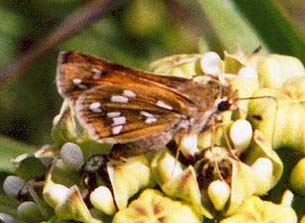
Green Skipper

Pondhawk
On the Ponds Trail ...


Silvery Checkerspot

Penstemon

Maples in fall
On the West Trail ...


Reports from Lost Maples
Lost Maples Bird Guide Information
Birds
Bird News
Utopia Birds
Birding Sites
Bird List
Bird Photos
Bird Guide
Reports from Lost Maples
Winter Bird Count
Butterflies
Butterfly News
Butterfly Photos
Rare Butterflies
Moths
Dragonflies
Critters, Bugs, & Stuff
Garner State Park
Local Site Guide
Home
Our E-mail
mitch @ utopianature.com
Bird News
Utopia Birds
Birding Sites
Bird List
Bird Photos
Bird Guide
Reports from Lost Maples
Winter Bird Count
Butterflies
Butterfly News
Butterfly Photos
Rare Butterflies
Moths
Dragonflies
Critters, Bugs, & Stuff
Garner State Park
Local Site Guide
Home
Our E-mail
mitch @ utopianature.com
 All photographs within this site are copyrighted
and may not be used without permission.
All Rights Reserved.
© M. and K. Heindel 2004-2022
www.utopianature.com